
Transfer of Vacant Properties, Partnership with CMHA Supports Broader County Housing Initiatives
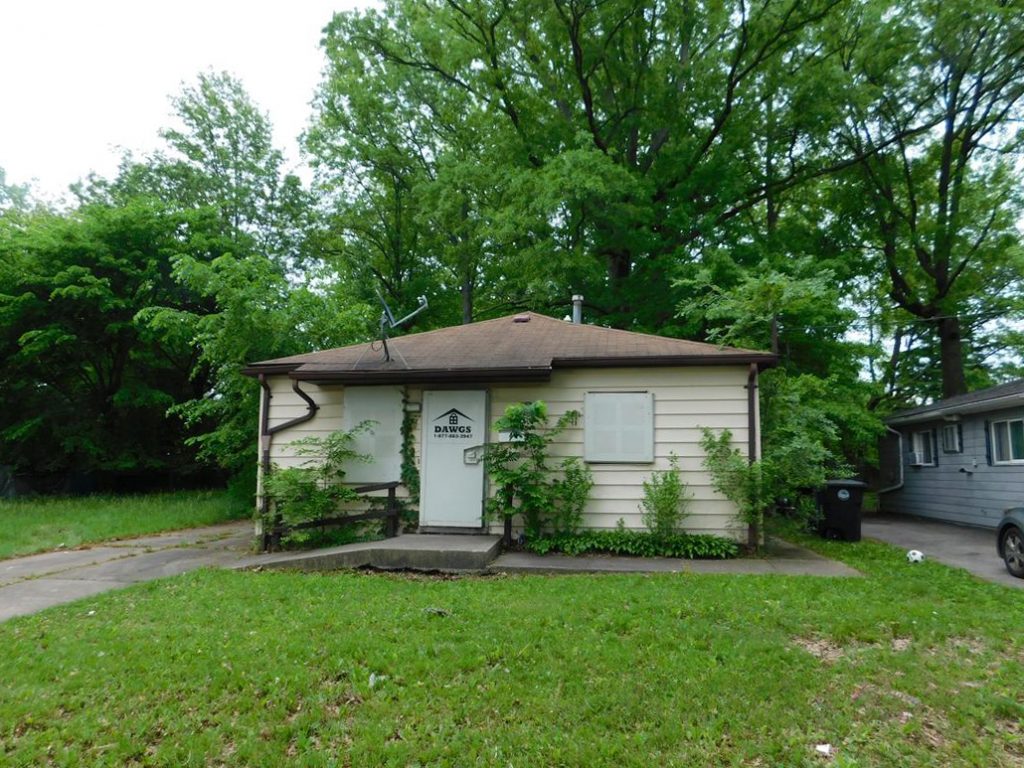
After more than a year and a half of coordination, persistence and partnership, a significant portfolio of vacant single-family homes and lots from the Cuyahoga Metropolitan Housing Authority (CMHA) has officially transferred to Cuyahoga Land Bank. The completion of the process in late February marks the beginning of a new chapter for these properties, one that will ultimately bring renovated homes and new opportunities to neighborhoods across Cleveland.
CMHA hoped to transfer this large portfolio to a single buyer with a mission aligned to its own: creating affordable housing opportunities by putting non-productive properties back into use to strengthen area communities. The Land Bank was a natural partner, given the organizations’ history of successful collaboration and shared commitment to neighborhood stabilization.
Turning that vision into reality, however, required significant time and coordination. Because federal funds had originally been used in connection with the properties, each home carried deed restrictions. Before the properties could be transferred, those restrictions had to be reviewed and removed through a detailed federal process.
That meant clearing titles, documenting ownership histories and coordinating multiple public meetings held jointly by CMHA and the Land Bank. It also meant navigating a lengthy federal review process with the U.S. Department of Housing and Urban Development (HUD), including sending documentation to Washington, D.C., waiting for responses and working through a 45-day federal government shutdown that temporarily stalled progress.
“We did everything we could because it was in everyone’s interest to move the project forward,” Cuyahoga Land Bank Director of Acquisition and Disposition Kim Steigerwald said. “But because federal funding was involved, the properties had deed restrictions attached to each home. The process of clearing title and removing those restrictions was lengthy, requiring multiple public meetings and extensive documentation submitted to HUD for review and release.”
Despite the long timeline, both organizations remained committed to ensuring the transfer could move forward. The Land Bank even invested resources into maintaining and stabilizing some of the properties before the transfer was finalized to ensure they remained in good condition for future redevelopment.
“To ensure the homes stayed in good shape for when we received them and could share them with our partners, we spent time and resources maintaining and making repairs – even before we officially owned them,” Steigerwald said.
“CMHA is proud to partner with the Cuyahoga Land Bank to create new pathways to homeownership within our community. Focused efforts like this strategically advance CMHA’s 2045 Initiative while delivering lasting benefits, helping families achieve stability, self-sufficiency and a stronger future,” said Jeffery K. Patterson, CEO of CMHA.
Now that the transfer is complete, the Land Bank is moving quickly to determine the best path forward for each property. The portfolio is being organized into several categories to ensure the homes can be used in ways that best serve community needs.
Some homes will be renovated directly by the Land Bank as part of its own rehabilitation programs, including initiatives focused on stabilizing neighborhoods and supporting homeownership opportunities. Other properties will be transferred to nonprofit organizations that work with specialized populations, including groups focused on housing for veterans.
A significant portion of the homes will also be transferred to trusted housing partners, including CHN Housing Partners and Greater Cleveland Habitat for Humanity, both of which have programs ready to renovate the homes and prepare them for qualified buyers.
Meanwhile, the Land Bank is continuing to evaluate the vacant lots included in the portfolio to determine how they can best support neighborhood reinvestment.
While the process to reach this point was complex and lengthy, the outcome represents something far more meaningful than a completed transaction. It reflects what can happen when organizations with aligned missions work together with patience and persistence.
With the properties now in the Land Bank’s hands and partners ready to begin renovations, homes that once sat vacant will soon become places for families to live, invest and build their futures, bringing renewed life to the neighborhoods around them.
